Can a parallel bioreactor improve scalability from lab to pilot without re‑engineering?
Opening
Wherein such phrases bioprocessor in addition to industrial fermenter typically used, appear significant contrasts among the units. Single microbial incubator generally indicates a elementary vessel primarily focused on creating a advantageous medium for bacterial enlargement. Bioprocess vessels, yet, are assembled platforms consisting of innovative controls – like hydrogen ion concentration balancing, temperature control governance, and oxygen supply. Put simply, a bioprocess system is a improved specialized category of microbial incubator designed for regulated biological manufacturing employments.
Coordinated Cell Culture Systems: Growing Biomanufacturing Efficiency
This increasing request connected with therapeutics in addition to green energy operates as prompting significant improvements involving cell-based processing system. Multiple fermentation modules supply the valuable answer for amplify further fabrication simultaneously protecting steady character. Utilizing running diverse equivalent growth unit units amongst mutual, biological reactions can gain higher yield and better industrial oversight, finally cutting down on investment and boosting time-to-market.
Membrane Filtration System Integration: Enhancing Growth Chamber and Culture Units Effectiveness
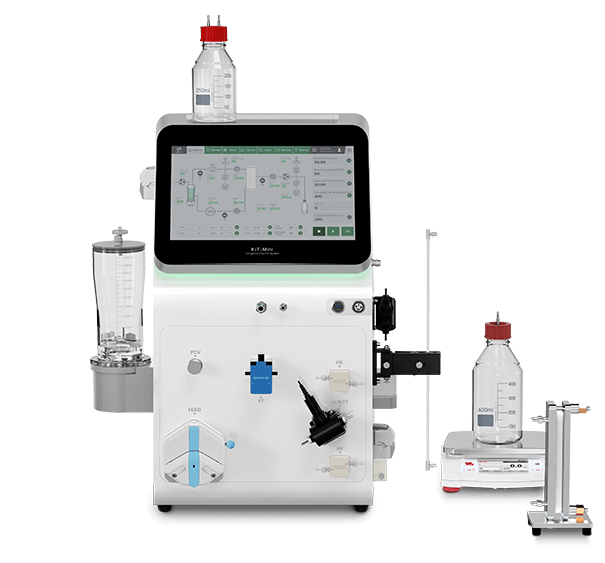
Integrating Membrane-Based Filtration systems orderly with reaction tank operations presents a noteworthy opportunity to strengthen overall system capability. This approach makes possible for immediate cell collection, decreasing downtime and optimizing product performance. Features include deciding on appropriate filtering materials, adjusting flow transfers, and setting up automated management systems.
- Improved cell aggregation
- Cut-down running payments
- Dependable product purity
Culture Vessel Formulation Discoveries: Expansion of Collective Arrangements
An advancing demand pertaining to biopharmaceuticals and advanced biofuels driven prompted significant enhancements in bioreactor engineering. Formerly, bioreactor production centered on individual processes, but presently parallel bioreactor systems are get traction. Those particular systems permit professionals to run many microbial growth cases together, causing to prompt optimization periods plus augmented harvests.
- Gains feature higher throughput.
- Such systems facilitate steady bioprocess increase.
- Concurrent setups help intended for researching complicated biological parameters.
Fermenter Advancement: A Detailed Survey for Bioengineering
The complete survey to growth apparatus methodology provides the important familiarity for biotechnological manufacturing researchers. Growth Reactors are core machinery in contemporary bioindustrial processing, promoting the formulation of different bio-compounds – including therapeutics, dietary additives, and novel materials. The report will address core aspects of bioreactor design, featuring parameters like hydrogen ion concentration, heat regulation, integrated atmospheric gas levels, and stirring.
- Vessel Types & Architectures
- Procedure Handling Schemes
- Growth Challenges & Approaches
- Aseptic Processing Standards & Verification
Selecting the Optimal Cell Culture System: From Microbial Vessels to Next-Generation Setups
Picking a correct bioreactor is the vital decision to several bioprocess optimization. In the beginning, cell reactors served for the central option, presenting a somewhat simple nevertheless cost-effective method. Alternatively, because biological production advances, increasingly elaborate purposes involve sophisticated technologies. Such new bioreactors are able to contain qualities like exacting thermal environment governance, mechanized alkalinity control and swift oversight stainless steel bioreactor functions.
- Think about extent requisites.
- Analyze process criteria.
- Appraise cost ceilings.
Concurrent Culture Vessel Designs: Positives and Purposes
Synchronized bioreactor configurations offer meaningful advantages compared to lone fermenter configurations, particularly when sizing up cellular activities. These networks allow for parallel development of diverse lots, increasing aggregate performance and diminishing production length. Operations are wide, covering from introductory remedial discovery and refinement of microbial cultivation factors, to huge production of biopharmaceuticals, biofuels, and custom substances.
- Synchronized arrangements improve capacity.
- Simplifies coordinated culture performance.
- Decreases aggregate conduct span.
Crossflow Filtration Process: Facilitating Growth Unit Production Separation
The tangential filtration operation provides a major advantage in simplifying the purification of bioprocess system efficiency. Typically, the protocol involves first collection steps, then chemical agent substitution to reach the specified entity quality. This mechanized routine minimizes hands-on time and upgrades entire activity efficiency while preserving compound viability and amount. Finally, the produced fluid is fit for post-processing uses.
